What Actually Makes the Best ADU Builder in Los Angeles?
You walk into an ADU consultation expecting to talk about layouts, windows, and how the new space might look from the backyard. Instead, the conversation gets uncomfortable fast. Where will the sewer route go? Is the existing electrical service enough? Are there old permit records that do not match the house as it stands today? Who is going to answer LADBS corrections when comments come back? That is usually the moment the search for the “best ADU builder” stops being about polished photos and starts being about accountability.
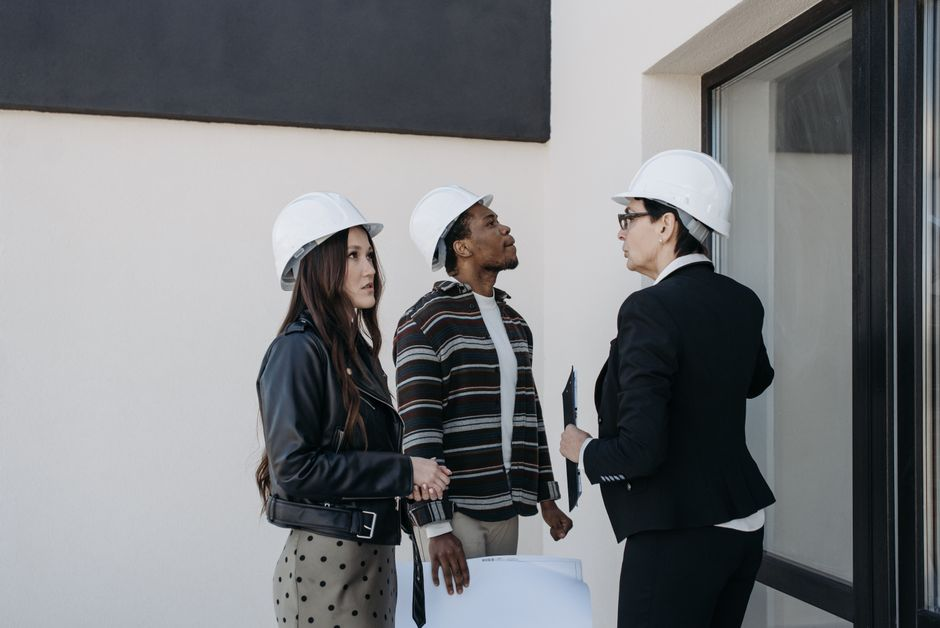
In Los Angeles, “best” is a misleading word if it only points you toward reviews, awards, or attractive renderings. We have seen homeowners get pulled toward the team that sounds the most confident in the first meeting, only to discover later that confidence was limited to design ideas, not the harder work of feasibility, permitting, utilities, budgeting, and construction follow-through. An ADU succeeds when one team can carry responsibility from the earliest site realities all the way to final inspection.
An ADU is not just a small house. It is a chain of decisions, and each link affects the next one. If lot constraints are not understood early, the design can drift in the wrong direction. If utility capacity is glossed over, the budget can change after plans are underway. If permit comments come back and nobody clearly owns revisions, the schedule can stall while everyone points at someone else.
That is why we think the better question is not “Who looks best online?” but “Who stays responsible when the project becomes technical?” In Los Angeles, that means looking for a builder who can coordinate the full path: early feasibility, practical design development, permit strategy, LADBS responses, utility planning, scope alignment, construction execution, and inspection readiness. A builder may have beautiful work and still be weak where ADU projects tend to break down.
How an ADU actually gets delivered in Los Angeles
Homeowners often encounter ADU projects in reverse. They see inspiration first, then floor plans, and only later discover the real delivery sequence. But the project does not succeed because the concept looked good on day one. It succeeds because each stage was handled with enough discipline to protect the next one.
In practice, the journey starts with the property itself: the lot, the existing structure, access, records, setbacks, grade, and infrastructure. From there, design has to reflect what can realistically be approved and built. Then the permit package goes through city review, and comments or corrections may need responses, revisions, and coordination. Utilities and service routes need to make sense on paper and in the field. Construction has to be managed so the built work matches the approved plans, and inspections have to be prepared for rather than treated as an afterthought.
When different parties handle these steps in isolation, homeowners tend to absorb the risk. The designer says the contractor should handle it. The contractor says the engineer needs to revise it. The permit runner says the city is slow. The city comments pile up. Costs move. Time slips. A stronger design-build process reduces those handoff gaps because there is a coordinated team responsible for carrying the project through the whole chain.
Before design starts, the property has to tell the truth
Some of the most expensive ADU mistakes happen before a homeowner realizes a mistake has been made. A concept moves forward before anyone has pressure-tested the lot and the existing conditions. On older Los Angeles properties, that is risky. Records may be incomplete. Prior work may not match what was permitted. Access can look manageable until material movement, staging, or required clearances are considered. Grade changes, retaining conditions, setbacks, and hidden site complications can reshape the project long before finishes are even relevant.
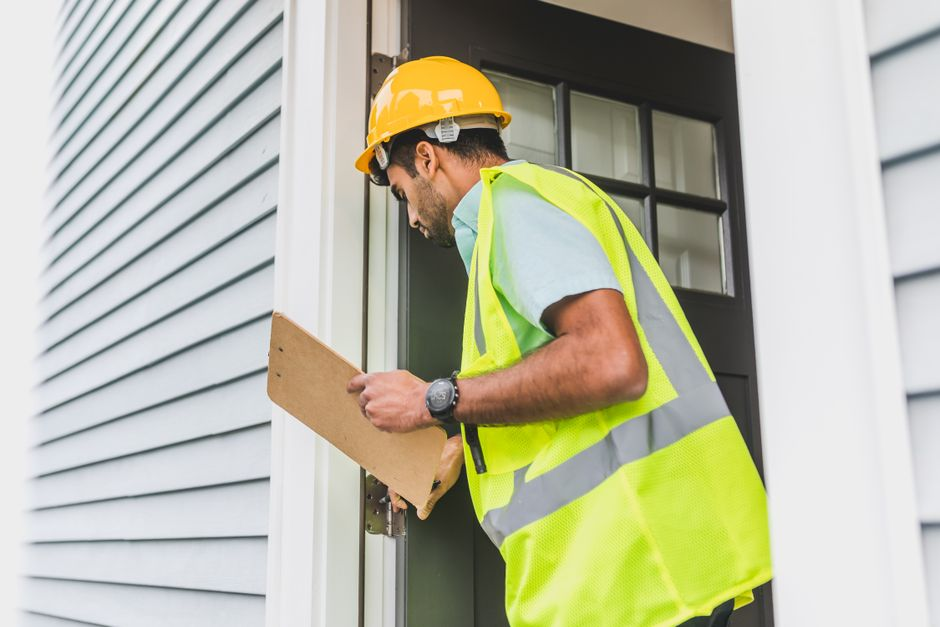
We like to slow this part down because it protects everything that follows. A responsible ADU builder should be asking questions that feel a little less glamorous at first: What is already on the property? What was permitted? What may need to be verified in the field? Is there enough workable access? Are there conditions that could affect design, construction logistics, or cost? If those questions are not coming up early, the project may be getting sold before it is being understood.
This matters even more when the ADU has a long-term purpose beyond simple square footage. A family unit, guest suite, office, or future aging-in-place space may all suggest different layout priorities, plumbing choices, utility loads, and code-sensitive decisions. The right builder should connect intended use to real-world constraints rather than treat every ADU like a generic backyard box.
“We handle permits” is not specific enough
Plenty of builders say they handle permits. That phrase sounds reassuring, but it can mean almost anything. Sometimes it means someone submits a plan package and waits. Sometimes it means the builder is truly managing the back-and-forth that follows: tracking comments, coordinating revisions, answering plan-check issues, and keeping the project from dying in the gap between design and approval.
In Los Angeles, that difference matters. LADBS review is not just a formality. Comments can trigger adjustments, clarifications, and coordination among the people responsible for the plans and the build. If no one has clearly taken ownership of that process, homeowners can lose weeks or months to confusion. A strong ADU builder should be able to explain exactly who responds to corrections, who updates drawings when needed, how communication is handled, and how permit follow-through stays organized.
We would be cautious with any team that talks about permits in broad, sales-friendly language but gets vague when you ask about revisions, correction cycles, or responsibility boundaries. The real test is not whether they can submit paperwork. It is whether they can survive plan check without turning your project into a blame chain.
Utilities are where real competence shows up
If you want one fast way to tell whether an ADU builder understands execution, ask about utilities. Sewer routing, water service, electrical load, panel capacity, trenching implications, and tie-in strategy are rarely the most exciting part of the project, but they often reveal the difference between surface-level confidence and actual operational knowledge.
An inexperienced or loosely coordinated team may postpone these conversations because they complicate the sale. A more accountable team brings them up because they shape budget, schedule, and feasibility. If the existing panel is insufficient, that matters. If the route for sewer or water adds complexity, that matters. If utility decisions affect the ADU layout, service path, or construction staging, that matters too. None of this means a project is doomed; it means the builder should be able to discuss the issues before they become surprises.
We see utilities as a credibility checkpoint because they force practical thinking. Pretty renderings do not answer infrastructure questions. A reliable builder should be able to explain what will likely need verification, what could influence cost, and how those findings get integrated into the larger project plan.
Budget discipline should appear before the design runs away
One of the easiest ways for an ADU project to go off course is for the concept to become emotionally real before the numbers become technically real. A homeowner approves the vision, then discovers later that the scope, allowances, or site conditions were never aligned with the actual target budget. That is not just frustrating. It can waste months.
We believe strong builders show budget discipline early. That does not mean promising a perfect number before every variable is known. It means being transparent about what is included, what is still an allowance, where contingencies may be prudent, and how likely scope decisions could affect the total. It also means resisting the temptation to let a project drift into a more expensive direction without saying so plainly.
A good ADU builder should help you understand whether your goals, lot conditions, and desired level of finish are moving together realistically. If a team avoids hard budget conversations until late in the process, that is a warning sign. The best experience usually comes from early alignment, not late-stage disappointment.
What matters more than a portfolio
A portfolio can show taste. It cannot prove accountability. Reviews can suggest clients were happy. They cannot tell you who handled permit corrections, whether the jobsite was prepared for inspections, or how clearly risk was defined in the contract. For a Los Angeles ADU, the stronger proof is usually less glamorous and much more important.
Look for the builder who can speak clearly about licensing, insurance, scope definition, documentation quality, communication process, and change-order discipline. Ask how responsibility is divided between design, permitting, and construction. Ask what happens if an existing condition is discovered after work begins. Ask how inspection preparation is handled. Ask whether the team has a practical, organized process or just a persuasive front end.
That proof-based mindset is especially important in a market where homeowners are understandably cautious. Before signing, you want more than enthusiasm. You want paperwork, process clarity, and a team that does not get slippery when the conversation turns from inspiration to obligations.
Questions worth asking in the first ADU consultation
Once you understand the stakes, the first meeting becomes much more useful. Instead of trying to judge who feels most impressive, you can listen for who actually owns the project. These questions can help you do that.
- How do you evaluate lot conditions, access, setbacks, grading, and existing records before design goes too far?
- What unknowns on older Los Angeles properties do you try to uncover early?
- Who specifically manages LADBS comments, plan-check corrections, and drawing revisions if changes are required?
- How do you approach sewer, water, electrical service, and panel-capacity questions before they become budget surprises?
- How do you align the proposed ADU scope with my target budget at the front end?
- What is typically included in your scope, and what tends to remain as an allowance or variable early on?
- How do you handle change orders if hidden conditions or owner-driven revisions arise?
- What documentation should I expect to see in your proposal or contract regarding responsibility, exclusions, and permit coordination?
- How do you prepare for inspections and keep the build aligned with the approved plans?
If your project is not ready for full construction yet
Not every homeowner needs to jump straight into a full build commitment. Sometimes the right next step is a feasibility-first conversation to understand whether the lot, utilities, budget, and intended use all support the idea. Sometimes a homeowner already has partial plans and needs a second opinion before moving forward. In other cases, the need is narrower: pressure-testing assumptions before more money is spent.
What matters is choosing the next step that increases clarity instead of momentum for its own sake. We would rather see an ADU project get more honest early than become more expensive later. A thoughtful builder should be comfortable meeting you at that stage and helping define whether the project is ready, what still needs verification, and what path makes the most sense from there.
Common questions homeowners still ask
Can a builder really know the final ADU cost in the first meeting?
No responsible team should pretend every number is final before site conditions, scope details, and utility realities are understood. What you should expect early is a disciplined conversation about budget alignment, likely cost drivers, allowances, and where uncertainties still exist.
Why are utilities such a big deal for ADUs?
Because sewer, water, and power often affect both feasibility and cost. If those systems require upgrades, rerouting, or more complex connections, the project can change in meaningful ways. Builders who address utilities early are usually protecting you from downstream surprises.
What is the risk of hiring separate parties for design and construction?
Separate roles can work, but they can also create responsibility gaps. When questions arise during plan check or construction, homeowners may end up stuck between the designer, engineer, permit contact, and contractor. A coordinated design-build model reduces that handoff risk by keeping accountability under one roof.
Should I judge an ADU builder mostly by finished photos and reviews?
Those can be part of the picture, but they should not be the deciding factor. For an ADU in Los Angeles, stronger proof comes from process ownership, documentation, permit follow-through, utility competence, budget discipline, and inspection readiness.
What if I already have plans?
You may still benefit from a second opinion before construction begins. Plans can be attractive on paper and still leave unanswered questions about utilities, permitting logistics, scope clarity, or budget realism. That review can be especially valuable if no one has clearly taken responsibility for the full project path.
If you are trying to define the best ADU builder in Los Angeles, we believe the safest standard is simple: choose the team that is willing to own the unglamorous parts as seriously as the exciting ones. When feasibility, permits, utilities, budget discipline, and construction are coordinated from the start, the project has a far better chance of reaching final inspection without unnecessary surprises. For homeowners who want that kind of end-to-end accountability, a consultation with AP Remodeling is the right next move.